Table of Contents
ABA Behavioral Therapy for Families in Durham, North Carolina
For families exploring ABA Behavioral Therapy Durham, learning what is aba therapy is an essential first step. ABA therapy is a scientifically validated approach that uses positive reinforcement to build communication, social engagement, and daily living skills. At All About ABA, our personalized programs are tailored to meet each child's unique needs, and we involve families from day one to support progress at home.
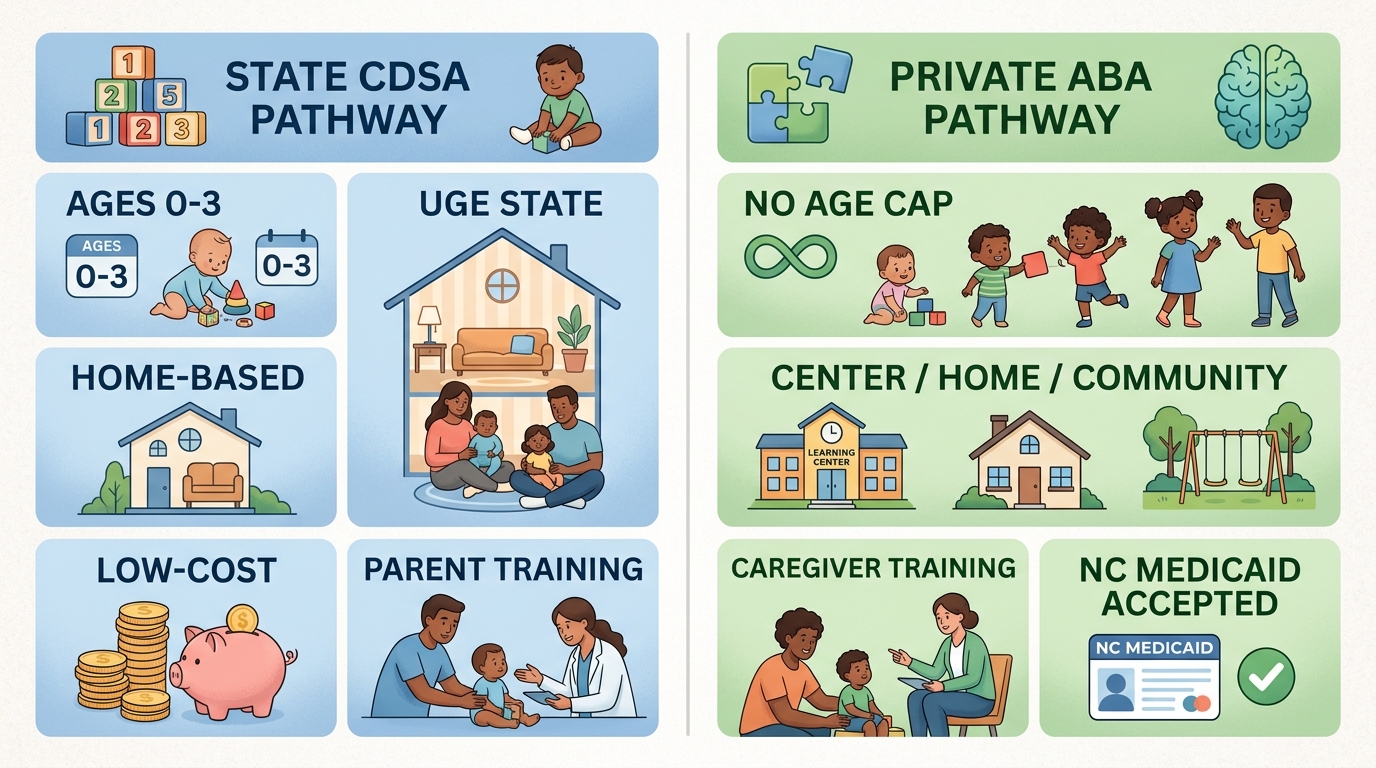
In Durham, the Autism Society of North Carolina provides comprehensive autism therapy in Durham NC with services that include in-home, clinic, and community-based options. As a trusted nonprofit, they offer individualized treatment plans designed by Board Certified Behavior Analysts, giving families access to quality care close to home. For those seeking ABA Behavioral Therapy Durham residents can rely on this organization for consistent, evidence-based support.
For added flexibility, families can choose in-home ABA therapy in Durham NC, where therapists work directly in your home to teach skills in a familiar environment. This approach integrates seamlessly into daily routines, helping children generalize new skills more effectively. We're All About You, Your Family, and Your Child, and we encourage you to explore local support in Durham. Results may vary based on individual needs and circumstances.
Understanding ABA Therapy and Its Role in Autism Support
Applied Behavior Analysis (ABA) is the science of behavior applied to increase positive behaviors and reduce challenging ones, as defined by the Behavior Analyst Certification Board (BACB). Recognized as an evidence‑based intervention by the US Surgeon General and the American Psychological Association, ABA helps children with autism build essential life skills. For families seeking ABA behavioral therapy in Durham, understanding the approach is the first step. At All About ABA, we design comprehensive aba therapy programs that truly meet each child where they are -- personalized programs tailored to meet individual needs.
Insurance Coverage and Eligibility for ABA Therapy in North Carolina
North Carolina law requires many health insurance plans to cover autism therapy, including ABA, for children diagnosed with autism spectrum disorder. Families exploring autism therapy in Durham, NC, should verify their specific plan's benefits, as coverage may depend on medical necessity criteria and the provider network. The Autism Society of North Carolina notes that in‑network relationships exist with several major insurers, and Medicaid also covers ABA for approved cases. We encourage parents to contact their insurance company directly to ask about pre‑authorization requirements and any limits on session hours. By understanding your plan's details early, you can avoid unexpected costs and focus on your child's progress. For many families in North Carolina, this step ensures timely access to life‑changing ABA services.
Age Ranges and Service Qualifications
ABA therapy is effective for children across a wide age span, from early childhood through adolescence. In our Durham practice, we typically serve children aged 2 to 16 years, but eligibility is determined through an individualized assessment rather than age alone. A formal autism diagnosis from a qualified professional is usually required before starting services. Our Board Certified Behavior Analysts (BCBAs) then conduct a thorough evaluation to understand your child's unique strengths and areas for growth. This personalized assessment guides the development of a treatment plan that may be delivered as in‑home ABA therapy in Durham, NC, at our clinic, or through telehealth -- whichever best supports your child and family. No matter the setting, our approach remains child‑led and grounded in positive reinforcement.
How ABA Therapy Differs from Other Autism Therapies
ABA stands apart from therapies like speech therapy or occupational therapy in its primary focus and methodology. While all three can complement each other, they target different domains.
- Speech therapy concentrates on communication disorders -- articulation, language comprehension, and social communication -- often working on a specific skill deficit.
- Occupational therapy addresses fine motor skills, sensory processing, and activities of daily living like dressing and feeding.
- ABA therapy, by contrast, uses the science of behavior to teach a broad range of socially significant skills, including communication, play, and daily routines, by reinforcing positive behaviors and systematically analyzing what triggers them.
Rather than isolating a single function, ABA's systematic approach builds lasting, generalized behaviors. This focus on observable, measurable progress makes ABA uniquely suited to support long‑term growth and independence. As with any intervention, results may vary based on the individual child's needs and circumstances. By emphasizing collaboration and positive reinforcement, we help each child reach their full potential.
Key Benefits of ABA Therapy for Children with Autism
As a leading provider of ABA Behavioral Therapy Durham families trust, All About ABA delivers personalized programs tailored to meet individual needs. Our approach, grounded in the science of behavior analysis as described by the Behavior Analyst Certification Board (BACB), focuses on three key benefit areas: communication and social skills, daily living independence, and the convenience of in-home therapy. Results may vary based on individual child's needs and circumstances, but we use positive reinforcement to help each child reach their full potential.
Key benefits of ABA therapy illustrated in a three-column infographic
Building Communication and Social Skills
Families exploring autism therapy Durham NC often prioritize communication and social development. At All About ABA, we use positive reinforcement to teach children how to express wants and needs, engage in conversations, and interact with peers. By breaking down complex social behaviors into small, achievable steps, we help each child experience success and build confidence.
- Requesting (manding): from pointing to vocalizing requests like "snack" or "toy"
- Labeling (tacting): identifying objects, actions, and emotions in everyday settings
- Conversation skills: taking turns, staying on topic, and responding to questions
- Peer interaction: initiating play, sharing materials, and cooperating with siblings
With repeated practice and reinforcement, children begin to use these skills spontaneously--asking for a toy, initiating a game with a sibling, or participating in group activities. The BACB identifies positive reinforcement as a core principle of ABA, and we embed it into every therapy session to foster meaningful social connections beyond the therapy room.
Developing Daily Living and Independence Skills
Independence in daily routines is a crucial goal for many families. Our ABA programs address self-care tasks such as dressing, toileting, and mealtime behaviors through systematic, step-by-step instruction. We focus on generalization--ensuring that skills learned in one setting transfer to others, like the home bathroom or a restaurant.
- Dressing: sequencing steps (putting on shirt before pants), managing fasteners, selecting weather-appropriate clothing
- Toileting: recognizing body cues, following a bathroom routine, and handwashing
- Mealtimes: sitting at the table, using utensils appropriately, and trying new foods
- Personal hygiene: brushing teeth, washing face, and combing hair
As children master these routines, they gain a sense of accomplishment and require less direct assistance, freeing caregivers to focus on other aspects of family life while promoting autonomy.
Advantages of In-Home ABA Therapy in Durham
In-home ABA therapy Durham NC eliminates travel time and allows therapy to take place in the child's natural environment. Using familiar items and daily routines as teaching tools, we make learning more meaningful and increase the likelihood of skill generalization. Our clinicians coach parents and siblings in effective strategies, transforming everyday interactions into teaching moments.
- Convenience: no commute, sessions fit into your daily rhythm
- Naturalistic learning: practice skills in the exact settings where they will be used
- Family collaboration: caregivers learn hands-on techniques to reinforce progress
- Personalization: treatment plans adapt to the home environment and family priorities
We believe that parent education is a cornerstone of successful ABA therapy. For more information on how you can support your child, explore our ABA therapy for parents page. By working with Your Family and Your Child in the home, we create a supportive network that accelerates developmental gains. Now that you understand the benefits, learn how to start your child's journey with ABA therapy in Durham.
How ABA Therapy Sessions Work in Durham
Beyond understanding what ABA therapy is, families in Durham often want to know how sessions actually work. When considering ABA behavioral therapy in Durham, understanding the structure of in-home, center-based, and school-based sessions helps you prepare. At All About ABA, we create personalized programs tailored to meet individual needs, ensuring every session supports your child's development naturally.
6 ABA therapy delivery and monitoring options for families in Durham
In-Home ABA Therapy in Durham
In-home ABA therapy in Durham NC brings the session directly into your family's living environment. A Board Certified Behavior Analyst (BCBA) designs the treatment plan, and a Registered Behavior Technician (RBT) comes to your home for one-on-one sessions. Using Natural Environment Teaching (NET), the RBT weaves skill-building into everyday routines--like practicing communication during mealtime or play. Parent training is integrated into each visit, so you learn how to reinforce positive behaviors outside of sessions. This approach helps your child generalize new skills across the settings where they are needed most, promoting consistency and long-term growth.
Center-Based and School-Based Service Options
For families seeking autism therapy in Durham NC, center-based sessions provide a structured clinic environment with therapy rooms, sensory tools, and opportunities for peer interaction. In our centers, children engage in both one-on-one and small group activities, practicing social skills like turn-taking and conversation under the guidance of experienced RBTs. This controlled, predictable routine helps your child build confidence and generalize skills across settings. We also collaborate closely with Durham public schools to align behavior intervention plans and classroom strategies, ensuring your child's progress is supported throughout the day. For families in rural parts of Durham County, telehealth sessions offer expanded access--our BCBAs provide virtual coaching and direct ABA sessions, bringing quality support into your home when travel is difficult.
Session Frequency and Progress Tracking
Sessions typically range from 10 to 40 hours per week, with each session lasting 2 to 4 hours, based on clinical assessment and your child's needs. When receiving ABA behavioral therapy in Durham, you can expect regular data collection: BCBAs track behaviors using ABC data and frequency graphs to measure progress and adjust treatment plans. According to the Behavior Analyst Certification Board (BACB), all sessions are supervised by a BCBA and implemented by RBTs under that direction. Progress is formally evaluated through structured assessments such as VB-MAPP and AFLS, and treatment plans are re-evaluated every six months. Results vary based on individual needs and circumstances. Our clinic is proud to offer timely starts--learn more on our ABA Therapy No Wait List Durham page.
Understanding how sessions work and how progress is tracked helps your family decide which setting best fits your child's needs, making it easier to choose a provider. The next step is verifying your insurance coverage and payment options, which we explain in the following section.
Supporting ABA Progress: Parent Involvement and Choosing Providers
Progress in ABA behavioral therapy in Durham relies on consistency across environments and active parent involvement. At All About ABA, we believe families play a vital role in reinforcing skills taught during sessions. This section covers practical at-home strategies, tips for selecting a qualified provider, and ways to ensure skills transfer to everyday life.
How Parents Can Support Therapy at Home
For parents, supporting ABA progress doesn't end when the therapist leaves. For families receiving in-home ABA therapy in Durham, NC, integrating therapeutic moments into daily life is powerful. Our clinical team encourages using positive reinforcement--such as verbal praise or a favorite toy--when your child completes a morning routine like getting dressed independently. Visual schedules can help smooth transitions between activities. Consider tracking how often a target behavior occurs, like the number of times your child uses a new communication skill, and share this data during parent training sessions. We'll help you identify patterns and adjust strategies together. Remember, every child develops differently, and results may vary based on individual needs and circumstances. At All About ABA, we believe in personalized programs tailored to meet individual needs and using positive reinforcement to help each child reach their full potential.
Finding the Right ABA Provider in Durham
When searching for the right provider, explore our resource on ABA Therapy For Autism Durham for a comprehensive overview of local options. As you begin exploring autism therapy in Durham, NC, it's important to ask the right questions. Inquire about the staff-to-child ratio, whether they offer in-home or community-based sessions, and how they handle insurance claims. Always verify that the provider employs Board Certified Behavior Analysts (BCBAs) who hold state licensure. Look for experience with early intervention and skill areas like communication and social engagement. The Autism Society of North Carolina is a helpful nonprofit that connects families with local resources and providers. Many practices, including those they collaborate with, submit claims directly to insurers such as BC/BSNC, Aetna, and United Healthcare--a major convenience for families. Our team at All About ABA is here to answer your questions and help you find a personalized program tailored to meet individual needs.
Generalization Strategies Across Settings
For true progress, skills must generalize beyond therapy settings. For children receiving in-home ABA therapy in Durham, applying new skills across environments is key. Practice social engagement by encouraging your child to greet the cashier at the grocery store. Work on communication at the park by prompting them to ask a peer to play. During family outings, focus on daily living skills like following a visual schedule or selecting items. Regular communication with our clinical team--sharing progress notes and attending parent education sessions--helps ensure these skills become consistent habits. At All About ABA, we celebrate real growth when skills transfer to school, community, and family life. Support. Growth. Real Change. Now that you know how to support progress at home and in the community, explore our guide to ABA Therapy For Autism Durham to connect with a provider who meets your family's needs.
Taking the Next Steps with ABA Therapy in Durham
Now that you understand how ABA therapy works, taking the next step is simple. If you're considering ABA behavioral therapy in Durham, All About ABA is here to guide your family. According to the Behavior Analyst Certification Board (BACB), applied behavior analysis is a scientific approach to understanding behavior and how it is affected by the environment, using positive reinforcement to promote meaningful change.
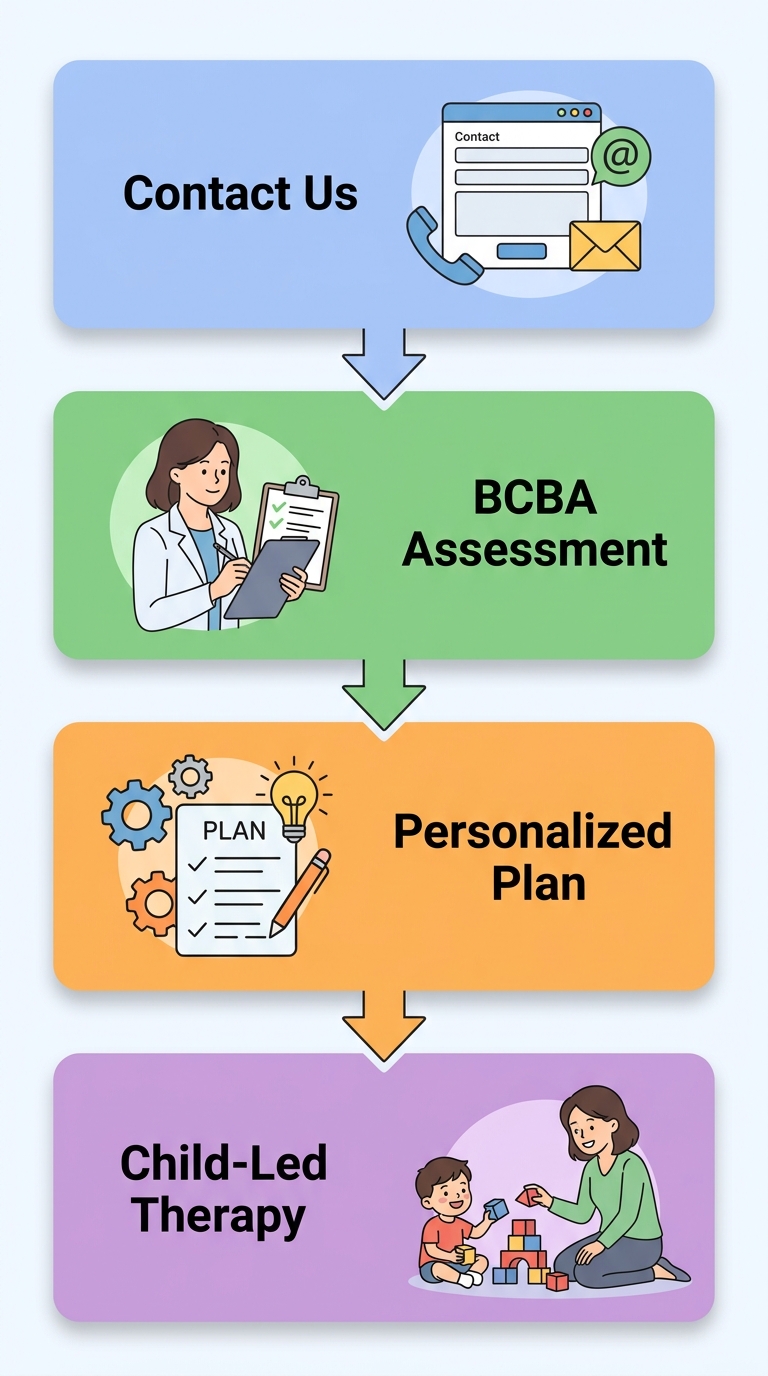
Reaching our Durham team is straightforward: you can call, email, or complete our online form to schedule a free initial assessment. During this assessment, our BCBAs create personalized programs tailored to meet individual needs, drawing on in-home ABA therapy in Durham, NC, and other flexible options. Our autism therapy in Durham, NC, emphasizes child-led environments, family collaboration, and evidence-based strategies. We also verify your insurance coverage and determine eligibility based on medical necessity criteria before services begin.
To learn more about our team and philosophy, visit our about all about aba page. Then, contact us to Start Your Child's Journey today.
We use positive reinforcement to help each child reach their full potential. Results may vary based on individual child's needs and circumstances, but our clinical team of ABA specialists is committed to delivering personalized support. See our Privacy and Cookie Policies for details on how we handle your information.
This article was researched and written with the assistance of AI tools.